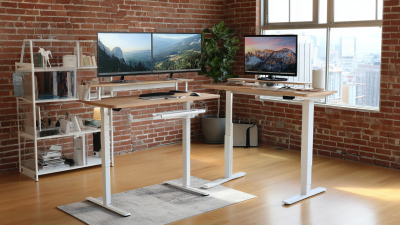
Lately, with so many of us working remotely, there's been a real uptick in the demand for ergonomic solutions — especially Standup Desks. I was reading a report from the Global Furniture Group, and it turns out that about 75% of office workers feel pretty uncomfortable sitting in traditional chairs. Dr. Sarah Johnson, a well-known ergonomics expert, mentions that integrating standup desks into your workspace can really help reduce health issues and boost productivity. Pretty encouraging, right?
But here’s the thing—picking the right standup desk isn’t exactly a walk in the park. There are tons of options out there, and not all of them are equally good. When you're shopping around, it’s worth thinking about things like how adjustable it is, whether it looks nice, and if it feels stable enough. Honestly, it might seem a little overwhelming at first, but trust me, investing in a good desk can make a huge difference for your health and how well you work.
On the flip side, skipping these details or choosing the wrong desk can lead to frustrations, or worse, health problems. Finding that sweet spot between comfort and functionality is key to creating a workspace that actually works for you. The goal is to find a balance — something that’s both practical and comfy, so your workspace feels right and keeps you feeling good throughout the day.
Understanding the Importance of Ergonomics in Standup Desks
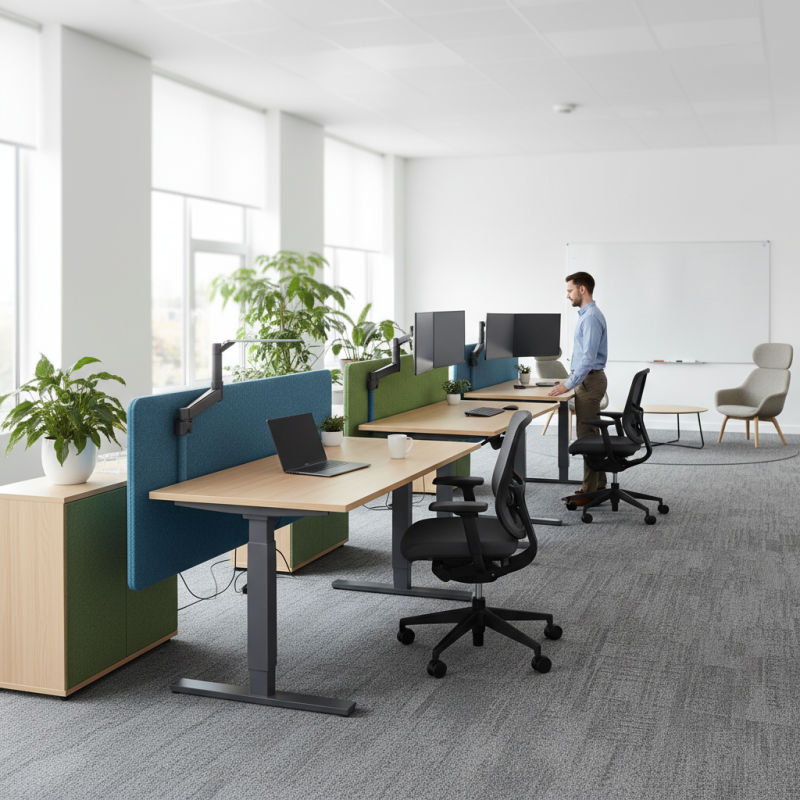
When selecting a standup desk, it's crucial to prioritize ergonomics. A well-designed desk promotes good posture and reduces the risk of injuries. Many users overlook the height adjustment feature. Make sure the desk can be easily adjusted to fit your body’s dimensions. Height variance is key for comfort. A desk too high or too low can lead to strain.
Consider your workspace layout. You might envision a spacious area, but crowded layouts can impact your choices. The desk surface should accommodate your computer, monitor, and any other essentials. There should be enough space for your keyboard placement without reaching too far. Poor ergonomics can lead to long-term problems, making this aspect essential.
Also, be aware of the weight capacity. It may seem trivial, but a desk that can't handle your equipment is a safety risk. Test the sturdiness during adjustments. A wobbling desk detracts from your experience. Fostering good habits matters. Standing too long can create discomfort. Alternate between sitting and standing to maintain energy and focus.
Understanding the Importance of Ergonomics in Standup Desks
Evaluating Adjustable Height Mechanisms for Versatility
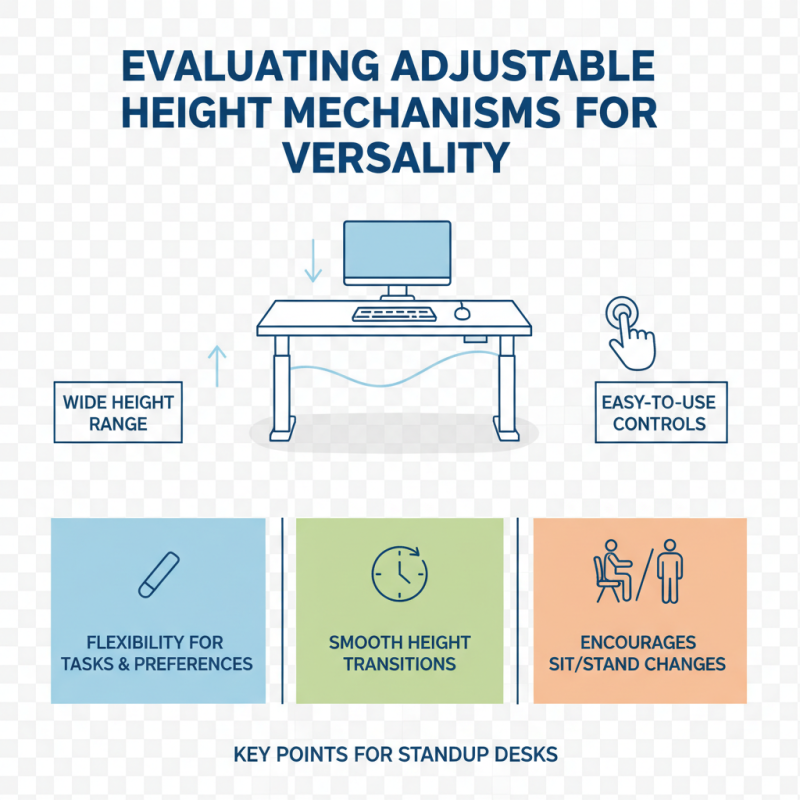
When evaluating adjustable height mechanisms for standup desks, versatility is key. Your office needs flexibility to cater to different tasks and preferences. A reliable desk should allow smooth height transitions. Look for mechanisms that offer a wide range of adjustments. Consider options with easy-to-use controls. This will encourage more frequent changes between sitting and standing.
One key tip is to test the desk before purchasing. Sit and stand at various heights. Ensure the mechanism operates silently and smoothly. This experience can reveal minor issues that might not be apparent from descriptions alone. Remember, a desk that feels right will enhance productivity.
Overall, focus on designs that promote ergonomic benefits. Ideal desks should support healthy postures while working. While many desks claim to offer support, not all live up to the promise. Researching user reviews can provide insights. Desks Inc offers a variety of designs to cater to different workflows. Choose wisely, as a well-suited standup desk impacts overall work efficiency.
Material Choices: Wood, Metal, and Their Impact on Durability
When selecting a standup desk, material durability plays a crucial role. Wood and metal are the top choices, but each comes with distinct characteristics. A recent study from the Office Ergonomics Research Committee suggests that wooden desks generally offer better aesthetics and warmth. However, they require more maintenance. Real wood can scratch and dent, needing regular upkeep to maintain its appearance.
On the other hand, metal desks are often more robust and resistant to wear. These desks can withstand heavy use without bending or warping. Reports indicate that metal desks can last up to 15 years with little maintenance. However, they may feel less inviting in a workspace, impacting employee mood and productivity.
Choosing between wood and metal isn't just about looks; it's also about functionality. Consider factors like the desk's intended use. If the desk will support heavy equipment, metal may be more suitable. For a more personal touch, wood could enhance the workspace, even if it requires more care. Balancing aesthetic appeal with durability is key to making the right choice for your office.
Assessing Workspace Size: Fit and Function for Optimal Setup
Assessing workspace size is crucial when choosing a standup desk. A desk that doesn't fit your space can lead to inefficiency. According to the American Ergonomics Association, the optimal space around a desk should allow for easy movement and access. Ideally, you should allocate at least 30 inches in depth and 60 inches in width for comfortable use.
A common oversight is underestimating the desk's height adjustability. Many reports indicate that improper desk height can cause discomfort and reduce productivity. The Global Workplace Analyticsstates that employees with Adjustable Desks report a10% increase in productivity. In contrast, limiting adjustability may lead to strain and frustration over time. It’s essential to measure not just the desk but also your available space against user needs.
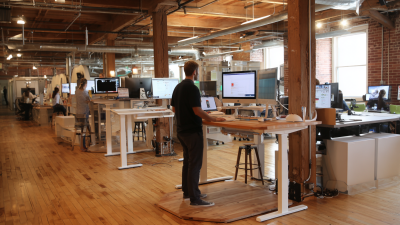
It’s also important to think about your office layout. Open spaces might benefit from lighter, more mobile desks. Yet, smaller, enclosed offices can make the wrong desk feel constricting. Balancing aesthetics with function is key. In a study by Envoy, 55% of employees stated office design significantly impacts their work satisfaction. Consider these factors carefully to ensure a suitable and effective workspace environment.
Weight Capacity and Stability: Ensuring Safety in Use
When selecting standup desks for your office, weight capacity and stability are crucial factors. A desk that can’t support sufficient weight poses serious safety risks. A report by the Occupational Safety and Health Administration (OSHA) indicates that desks should ideally support a minimum of 200 pounds. This accounts for the weight of the desk itself, as well as any equipment placed on it. Users should consider their individual needs and habits. Does your workspace include multiple monitors? If so, ensure the desk’s capacity can handle that additional weight.
Stability is another critical factor. A desk may support the weight initially, but what happens when it is raised or adjusted? A study published by the Human Factors and Ergonomics Society found that less stable desks can lead to accidents, such as tipping or wobbling. Stability can be impacted by the quality of materials used. High-quality materials may resist wear and maintain stability longer. Look for desks with a solid base and consider the thickness of the frame. Users often overlook these aspects, leading to dissatisfaction and safety risks.
While exploring options for desks in London, remember that aesthetics shouldn’t compromise safety. A stylish desk that is not robust can create an unsafe work environment. Ultimately, your choice should balance form and function to create a workspace that fosters productivity and safety.
The Role of Cable Management in Creating a Tidy Work Environment
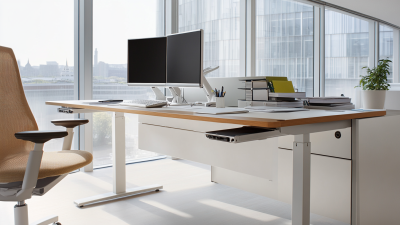
When choosing standup desks for your office, cable management should be a top priority. Messy cables can create distractions that disrupt focus and productivity. Consider implementing a cable management system that neatly organizes cords. Use cable clips, sleeves, or trays to keep everything in order. This small adjustment can lead to a more efficient work environment.
A tidy workspace fosters better mental clarity. With Office Desksthat support good cable management, you can enhance your professional image. Ensure that power outlets are accessible without visible cables sprawLED across the floor. This not only reduces hazards but also makes cleaning more manageable. Addressing these details can boost morale and encourage teamwork.
However, effective cable management isn’t always accomplished easily. Take time to assess each desk setup, as every office layout is unique. Experiment with different organizational methods to see what works best. You might find some solutions less effective than expected. It’s crucial to adapt and refine your approach continually. Finding a balance is key to maintaining a clutter-free office environment.
Design Aesthetics: Balancing Style with Functionality in Office Spaces
When selecting standup desks for your office, design aesthetics play a crucial role. The desk should not only serve its functional purpose but also complement your office's overall look. A well-designed desk can enhance the workspace and create a stimulating atmosphere. Consider materials that blend seamlessly with existing furniture. Wood can add warmth, while metal provides a modern touch. Each choice reflects your company's values and culture.
Functionality also matters. A desk should adjust easily to various heights. This ensures comfort for all users, allowing employees to switch between sitting and standing. In busy offices, a flexible desk design can encourage movement and productivity. However, some designs might clash with decor styles. Finding the right balance can be tricky.
Take time to evaluate the layout of your workspace. An off-center desk may disrupt flow. In contrast, a well-placed desk can improve collaboration. When browsing options in “Desks Houston,” pay attention to unique features that catch your eye. Aim for a fusion of style and function. Not every choice will work perfectly, so be open to reassessing your initial selections. The ideal desk is one that enhances both productivity and aesthetics.
10 Essential Tips for Choosing Standup Desks for Your Office
| Tip No. | Tip Description | Considerations |
| 1 | Evaluate Height Adjustability | Ensure the desk can accommodate both sitting and standing positions for various user heights. |
| 2 | Check Weight Capacity | Choose a desk that can support your equipment and any additional items like books or accessories. |
| 3 | Assess Stability | Select a desk that remains stable, especially at higher settings, to prevent wobbling. |
| 4 | Consider Surface Area | Ensure the desk has enough space for your essential items without overcrowding. |
| 5 | Look for Ergonomic Features | Choose desks with features that promote good posture and reduce strain. |
| 6 | Select Aesthetic Appeal | Pick a design that matches your office decor and maintains a professional appearance. |
| 7 | Examine Cable Management | Ensure there are solutions for keeping cords organized and out of sight. |
| 8 | Check Assembly Requirements | Choose desks that are easy to assemble or come pre-assembled if possible. |
| 9 | Review Warranty and Return Policy | Ensure the desk comes with a decent warranty and flexible return options. |
| 10 | Research Pricing | Set a budget and compare options to find the best value for your money. |
FAQS
: Ergonomics promotes good posture and minimizes injury risk. It ensures comfort during use and improves productivity.
Ensure the desk adjusts easily. Proper height is essential to avoid strain and enhance comfort while working.
A crowded layout can limit options. The desk should fit your equipment with space for underarm comfort and movement.
A desk's weight capacity matters for safety. It prevents risks associated with equipment falling or instability.
Wooden desks offer warmth and aesthetic appeal. However, they can scratch easily and require more maintenance.
Yes, metal desks resist wear and can last longer with minimal upkeep, making them ideal for heavy use.
Alternate between sitting and standing. This helps maintain energy levels and prevents discomfort from prolonged standing.
Wood creates a welcoming feel, while metal is robust but may feel less inviting. Consider mood and productivity.
Wooden desks need regular upkeep to prevent scratches and dents. This can be time-consuming but keeps it looking good.
It depends on your needs. Wood adds a personal touch but needs care; metal is durable but can feel cold.
Conclusion
When selecting standup desks for your office, understanding the importance of ergonomics is crucial to promote a healthy working environment. Ergonomically designed desks can help reduce strain and enhance productivity. It's essential to evaluate adjustable height mechanisms for versatility, allowing users to alternate between sitting and standing comfortably.
Material choices, including wood and metal, significantly impact the durability and aesthetic of the desk. Additionally, assessing the workspace size ensures a functional setup that fits the office layout. Safety should not be overlooked, so checking the weight capacity and stability of standup desks is vital. Effective cable management can help maintain a tidy environment, while a pleasing design can balance style with functionality, ensuring that your workspace not only looks good but also supports your work needs efficiently.