Leave Your Message
You know, in today’s hustle and bustle of the work world, focusing on workplace wellness has never been so important. More and more folks are talking about Standing Desks as a way to fight off those long hours of sitting, and it's catching on everywhere. This cool setup not only helps people sit up straighter and dodge the health pitfalls of being glued to a chair all day, but it also seems to boost how much work people can get done. As companies around the globe redefine their workspaces, it’s super crucial to dive into all the awesome perks that Standing Desks bring to the table for creating a healthier and more energetic workspace.
Here at Guangdong Junshi Intelligent Furniture Co., Ltd., we're leading the charge in this shift, rolling out smart office solutions that mix the latest tech with ergonomic design. Our talented R&D crew teams up with governments, businesses, and other institutions to whip up intelligent workspace systems that really put employee wellness front and center. By bringing Standing Desks into the mix in Modern Offices, we're not just aiming for a boost in productivity for today’s workforce, but we also want to lay down the groundwork for a healthier future.
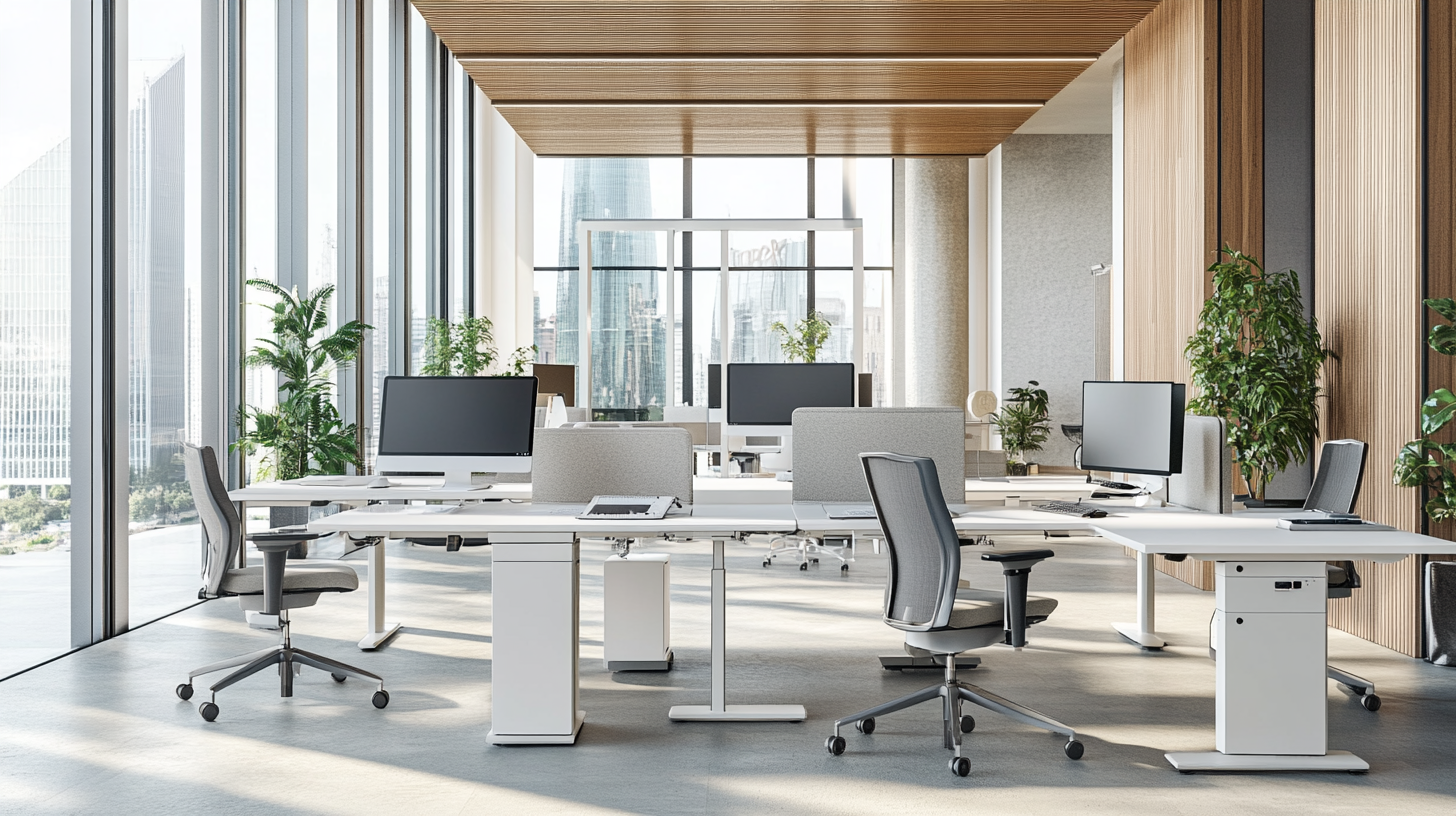
You know, in our super busy corporate world, the whole sitting around all day thing has become a major health issue for employees. Seriously, when you spend hours glued to your desk, it opens the door to all sorts of health problems, like obesity, heart disease, and issues with your muscles and joints. It's been shown over and over again that sitting too long really isn’t good for us. So, as we find ourselves stuck in front of our computers, it’s super important for companies to recognize this problem and actually do something about it to help everyone live a healthier life. One of the go-to solutions that’s getting a lot of buzz lately is the standing desk. Research shows that using these desks can really boost both health and productivity. By letting folks switch between sitting and standing, businesses can help cut down on the health risks that come with long hours in one position. This simple tweak doesn’t just make the workplace more dynamic; it can also pump up energy levels, sharpen focus, and generally make work more enjoyable. Switching to standing desks isn’t just some fad; it’s a big shift in how companies need to think about their employees' health. When organizations invest in wellness programs, they’re not just improving the vibe in the office—they’re also building a culture that promotes movement and tackles the dangers of a sedentary lifestyle. And really, that’s the key to creating a healthier, more productive workforce for everyone.
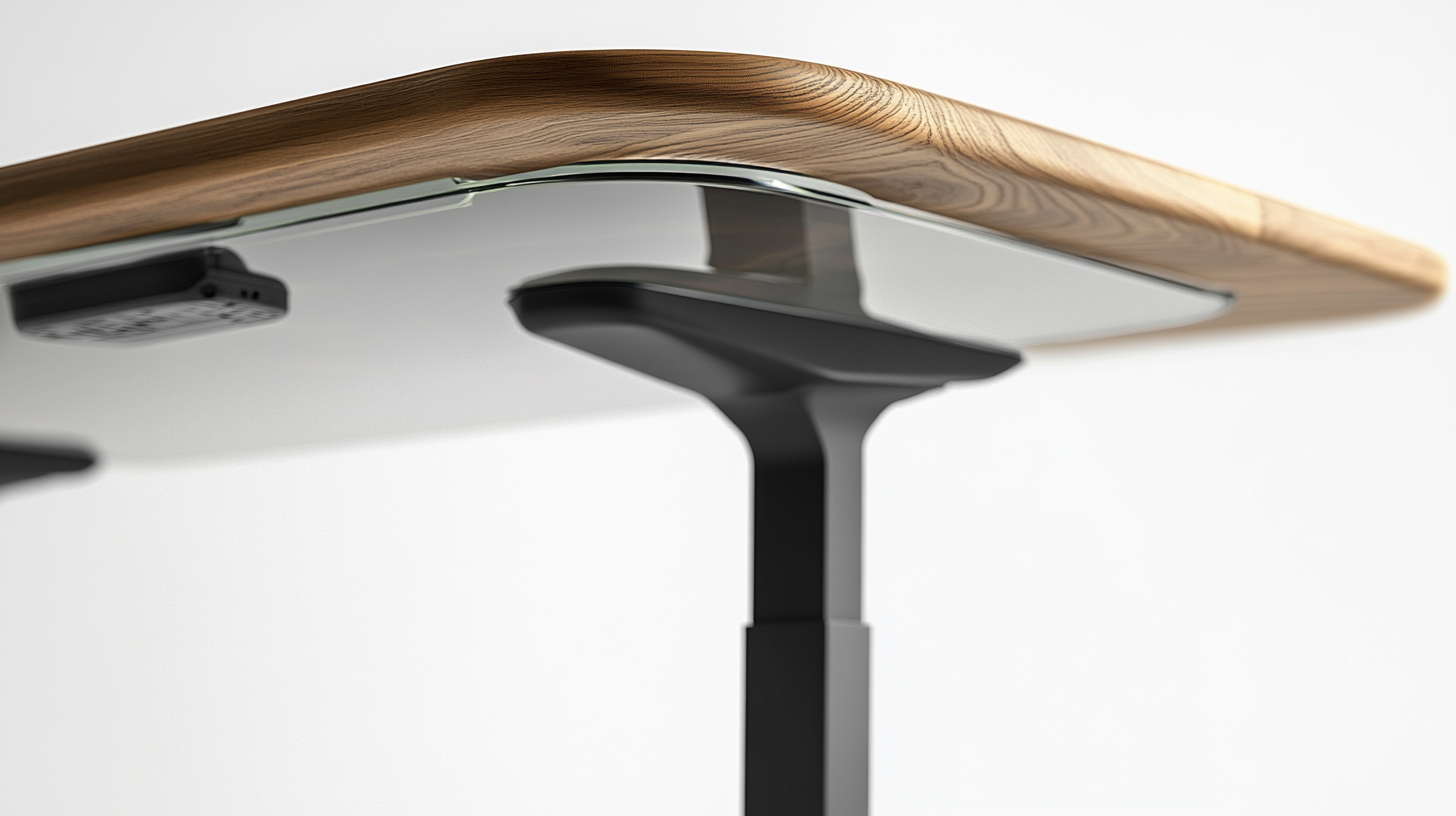
You know, standing desks have really made a splash lately, and it’s mostly thanks to a ton of research showing how they can really boost wellness at work. I mean, we’ve all heard that too much sitting isn’t great for us, right? It can lead to all sorts of problems like obesity, heart diseases, and even shorten our lifespan. A study published in the *American Journal of Public Health* found that folks who switched to standing desks felt about 32% more energized and saw a 14% bump in their productivity—pretty impressive, right?
Let’s be real: our bodies just aren’t made for sitting all day. A report by the World Health Organization even said that being sedentary contributes to around 3.2 million deaths each year! That’s a wake-up call if I ever heard one. One straightforward solution? Bring in those standing desks! A systematic review in the *Journal of Physical Activity and Health* showed that using standing desks can actually cut down on sitting time by up to 2 hours a day. Over time, that's got to be better for our health.
And don’t forget about the mental side of things! A study from the University of New South Wales reveaLED that people using standing desks felt less stressed and fatigued. It's amazing how switching up your workspace can actually help with those depressive feelings and boost overall emotional health. So, as more and more workplaces around the world are hopping on the standing desk bandwagon, it’s becoming super clear just how good they can be for our well-being and productivity.
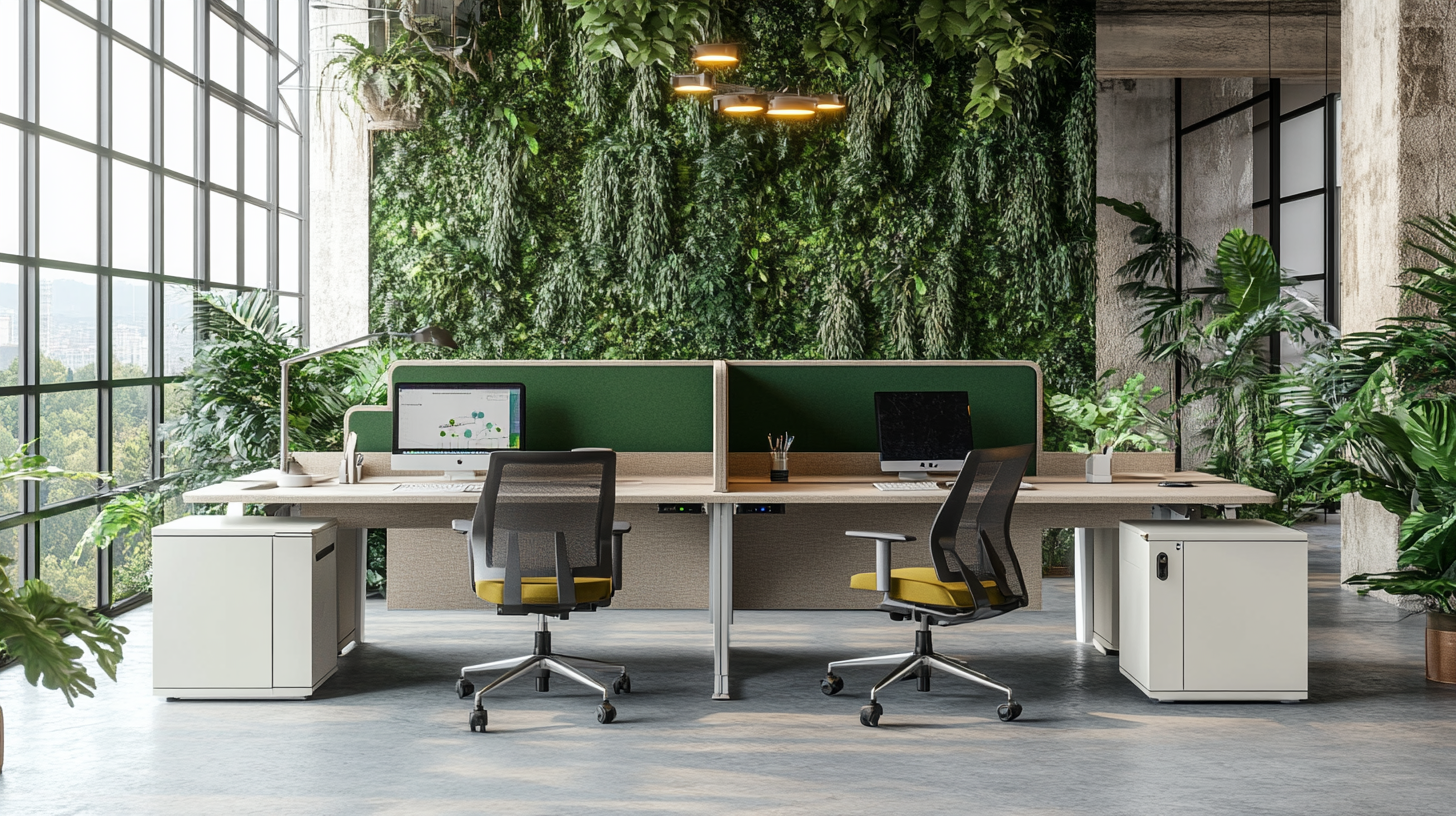
You know, standing desks are really catching on in workplaces all around the globe. It seems like people are becoming more aware of how they can boost their health and productivity. There’s some buzz in the market too: recent reports say the global office supplies market is set to grow from around $183 billion in 2025 to nearly $199 billion by 2032, which is a steady growth at about 1.64% annually. This growth isn’t just about the usual office supplies; it’s also about ergonomic options like those standing desks that everyone keeps talking about.
Hey, it turns out a lot of companies are starting to see just how valuable it is to invest in standing desks for the well-being of their employees. There’s research backing this up—standing desks can actually help cut down on the amount of time folks spend being inactive, which we all know comes with a boatload of health risks. One study even pointed out that places that adopted these desks saw a 10% bump in productivity and a pretty notable lift in employee morale. Plus, standing desks have been associated with lower rates of obesity and chronic diseases. Who knew ergonomics could have such a big impact in the workspace?
So, this whole standing desk thing isn’t just a fad; it’s really shaping up to be a key player in promoting wellness in work environments globally. As more businesses start to focus on the health of their employees, it looks like standing desks are going to become a staple in offices everywhere. With market growth on the horizon, it’s clear that they’re becoming a crucial part of office culture, pushing us towards a healthier and more productive workforce.
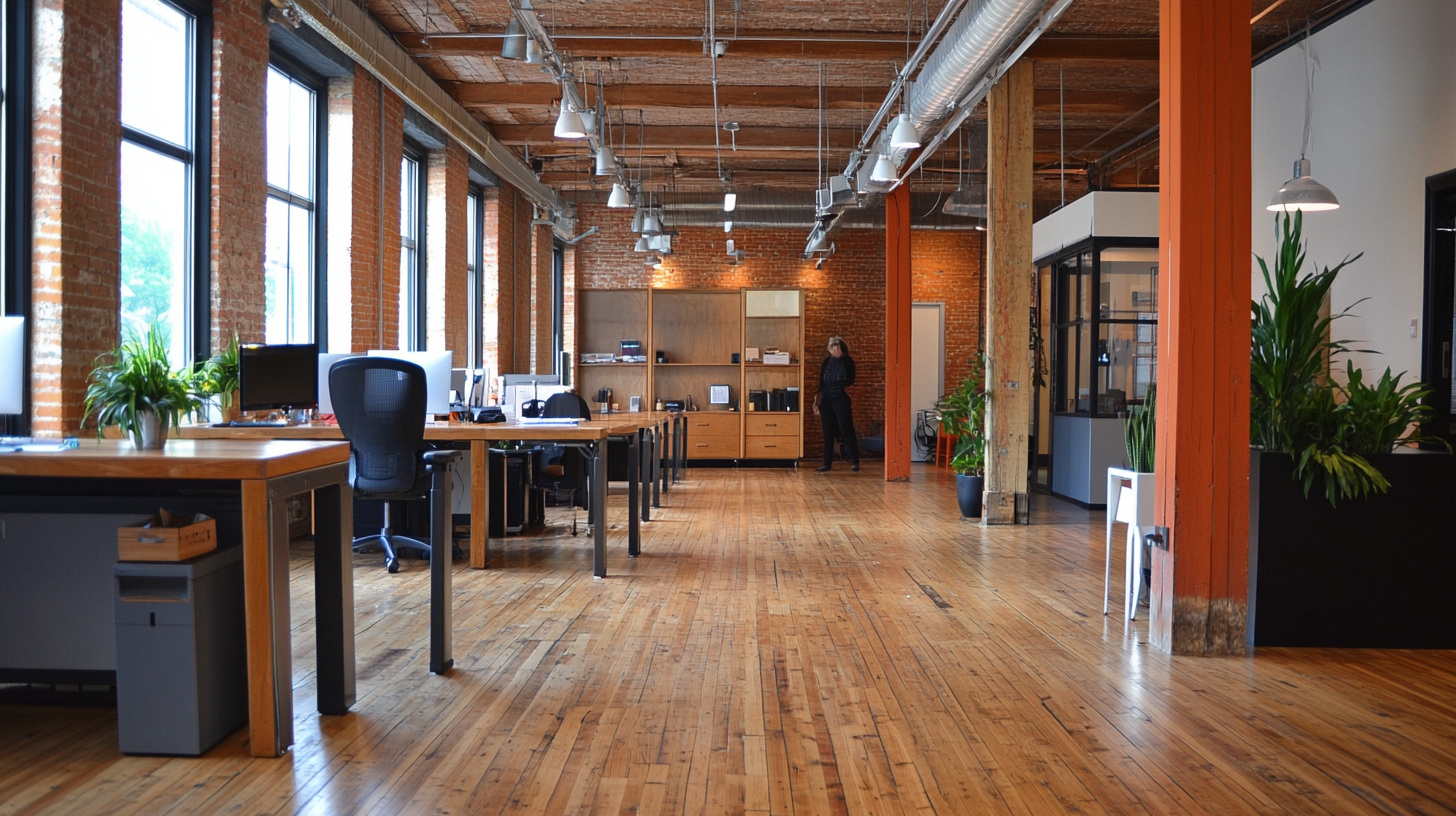
You know, in today’s fast-paced work world, the whole idea of wellness has changed a lot. It's not just about physical health anymore; it’s about feeling good mentally and emotionally too. One of the coolest trends we’re seeing is the rise of standing desks. They let folks switch between sitting and standing, and honestly, they’re a game-changer—not just for personal health, but for boosting productivity at work, too.
Studies show that using standing desks can really cut down on the health risks that come from too much sitting, like obesity, heart issues, and those pesky back problems we all dread. Plus, standing while you work can actually give you a nice energy boost and help you focus better. A lot of employees say they feel more productive and alert, and you can totally see how that leads to better performance and creativity. By getting people moving during the day, companies are really taking a more well-rounded approach to keeping their employees engaged and happy.
And you know what? Getting standing desks isn’t just a passing fad; it’s a smart move for any organization. When companies create an active work environment, they tend to see fewer people calling in sick and a boost in overall morale. When people feel good physically, they’re just more likely to pitch in, work together, and come up with some amazing ideas. As we move toward a workplace where health and productivity go hand in hand, standing desks are really a step in the right direction for building a healthy and thriving company culture.
Hey there! As we dive into National Ergonomics Month this October, it’s super important to highlight just how essential it is to design workspaces that keep us comfy and healthy. I came across a report from the Occupational Safety and Health Administration (OSHA) that really drives this point home—non-ergonomic setups can create some serious long-term health problems, which isn’t great for our well-being or how well we perform at work. This really shows us why we need to be smart about how we set up our workspaces, focusing on comfort and getting things done efficiently.
In today’s corporate world, flexible workspace design is all the rage! Companies are finally realizing that there’s no perfect, one-size-fits-all solution out there. Some research even says that ergonomic changes—like introducing standing desks and adjustable workstations—can slash musculoskeletal disorders by almost 58%. That’s huge! Plus, companies that have adopted ergonomic solutions have found a 25% boost in employee engagement, which is super important for overall workplace success.
Looking ahead to 2025, it’s clear that the future of office design is all about health, sustainability, and being adaptable. With so many people working in hybrid models these days, making sure our workspaces are inclusive for everyone—including folks with disabilities—is more vital than ever. When we embrace human-led design, we spark collaboration and creativity while making sure everyone feels valued and supported in their roles. By putting ergonomics first, businesses can build a healthier and more productive workplace that really benefits all of us.
Implementing standing desks in the workplace has garnered significant attention as organizations strive to enhance employee wellness and productivity. However, the transition is not without its challenges. A survey conducted by the Royal Society for Public Health found that 70% of workers are unaware of the potential health risks associated with prolonged sitting. This lack of awareness can create resistance to change, making it essential for employers to prioritize education and training sessions to outline the benefits of standing desks.
Another significant hurdle is the upfront financial investment. A report from the Global Wellness Institute reveals that businesses may need to allocate an average of $300 per employee to purchase high-quality standing desks. While this may seem daunting, organizations should consider the long-term positive impacts on employee health and productivity. Companies that have successfully integrated standing desks have reported a 10% increase in productivity, according to a study published in the Journal of Occupational Health Psychology. By demonstrating the return on investment, businesses can encourage broader acceptance of these wellness initiatives.
Additionally, physical discomfort, such as fatigue or leg and back pain, can arise for employees transitioning to standing desks. The Center for Disease Control and Prevention stresses the importance of proper training on ergonomic practices. Managers should provide guidance on alternating between sitting and standing, as well as encouraging movement throughout the day. Creating a supportive work environment that acknowledges these challenges will help employees adapt more effectively and reap the full benefits of standing desk usage.
You know, in recent years, standing desks have really taken off as a popular trend in the workplace. A bunch of organizations all over the world are jumping on board with them to help boost their employees’ health and productivity. There are some pretty neat case studies from different industries that show just how much of an impact these desks can have on the work vibe. Take this big tech company in Silicon Valley, for example. They decided to roll out standing desks throughout their open office space, and the results were pretty awesome. Employees started saying they felt more energized, focused, and overall just a lot happier. Moving away from the usual chairs sparked more spontaneous chats and teamwork among people, which definitely got those creative juices flowing.
Then there’s this financial services firm in London that was struggling with a ton of employee absenteeism, mainly because of stress and discomfort. They brought in standing desks, and it really made a difference. Not only did they encourage getting up and moving around, but they also created a culture that really embraced wellness. After some surveys, they found that employee satisfaction shot up, and they had fewer sick days and even saved on healthcare costs. Plus, having to stand made everyone a bit more conscious about their posture and ergonomics, which definitely helped in creating a healthier workplace.
And don’t forget about that nonprofit in Melbourne! They noticed a real uptick in productivity after they adopted standing desks. Employees felt less drained and got more into their tasks. The organization actually saw some great improvements in productivity metrics and even had more successful project completions. All of these examples show that just making the switch to standing while working can really shake things up in the workplace, leading to a healthier, more productive future overall.
You know, over the past few years, there’s been a real shift in how we talk about wellness in the workplace. Standing desks have really taken off, and they're not just a passing fad anymore. They're part of a bigger movement towards healthier work environments that help keep us feeling good and productive. With so many companies waking up to the health risks that come with sitting all day, integrating standing desks has become a smart way to encourage a little more movement and improve our posture. It’s a win-win for our bodies and minds!
But looking ahead, workplace wellness is going to be about so much more than just adding a few standing desks. We’re likely to see some cool innovations focusing on ergonomics and personalized workspaces, giving folks the chance to set things up just the way they like them. Imagine smart desks that can monitor how you're sitting or standing, suggest the best times to switch it up, and even nudge you to take a break. As tech keeps moving forward, these interactive tools could really boost our physical health and keep our minds sharp, helping us be more productive in all kinds of jobs.
Plus, I think companies are starting to get that a well-rounded approach to wellness is key. By putting standing desks into wider wellness programs that include things like movement breaks, mindfulness activities, and resources for a healthier lifestyle, they can foster a more engaged and healthier team. This kind of all-encompassing strategy is going to be super important for businesses that want to attract and keep the best talent out there. Standing desks, along with other innovative tools, are clearly becoming a cornerstone of modern workplace wellness strategies. It’s exciting to think about where this is all headed!
Standing desks can promote workplace wellness by reducing sitting time, increasing productivity, and enhancing employee energy levels. Research shows that users of standing desks reported feeling 32% more energized and experienced a 14% increase in productivity.
Prolonged sitting is linked to several health issues, including obesity, cardiovascular diseases, and early mortality. The World Health Organization estimates that sedentary behavior contributes to about 3.2 million deaths annually.
Organizations may encounter resistance due to a lack of awareness about the risks of prolonged sitting, the upfront financial investment required for high-quality standing desks, and potential physical discomfort experienced by employees making the transition.
Employers can prioritize education and training sessions to inform employees about the health risks of sitting and the benefits of standing desks, which can help mitigate resistance to change.
Businesses may need to invest an average of $300 per employee for high-quality standing desks, but this investment can lead to long-term benefits in employee health and productivity.
Proper training on ergonomic practices is essential, including guidance on alternating between sitting and standing, encouraging movement throughout the day, and adjusting desk heights to prevent discomfort.
Future innovations may include smart desks with sensors that monitor posture, suggest optimal standing durations, and remind users to take breaks. These advancements aim to enhance both physical well-being and productivity.
Standing desks can be part of comprehensive wellness programs that also incorporate movement breaks, mindfulness practices, and lifestyle resources to create a more engaged and healthier workforce.
Yes, studies indicate that employees using standing desks report lower stress and fatigue levels and a decrease in depressive symptoms, promoting overall emotional well-being.
By highlighting reports of increased productivity, such as a 10% rise measured in organizations that successfully integrated standing desks, companies can encourage acceptance of these wellness initiatives.